
How to Bake Neapolitan Pizza in the Ooni Volt 2 (60 to 90 seconds)
This post may contain affiliate links. For more information, please see our disclosure policy.
Have you ever considered buying an indoor pizza oven? After several weeks of testing, I want to tell you about my newest indoor pizza oven, the Ooni Volt 2. I’m a big fan! If you’re looking to make true Neapolitan pizza at home, with that 60 to 90-second bake, here’s what to expect.
Ooni sent me the Volt 2 to test, and these are my honest thoughts.

TL;DR
The Volt 2 reaches 850°F and can produce true Neapolitan pizza indoors once fully preheated, and also has presets to make thin and crispy (NY style) and pan pizza (Detroit style). It’s very consistent, fast, and easy to use thanks to the preset system. The main limitations are the 12-inch size and the need for dedicated counter space.
Bottom line: if you want high-heat pizza at home without dealing with gas or wood, this is a very strong option.
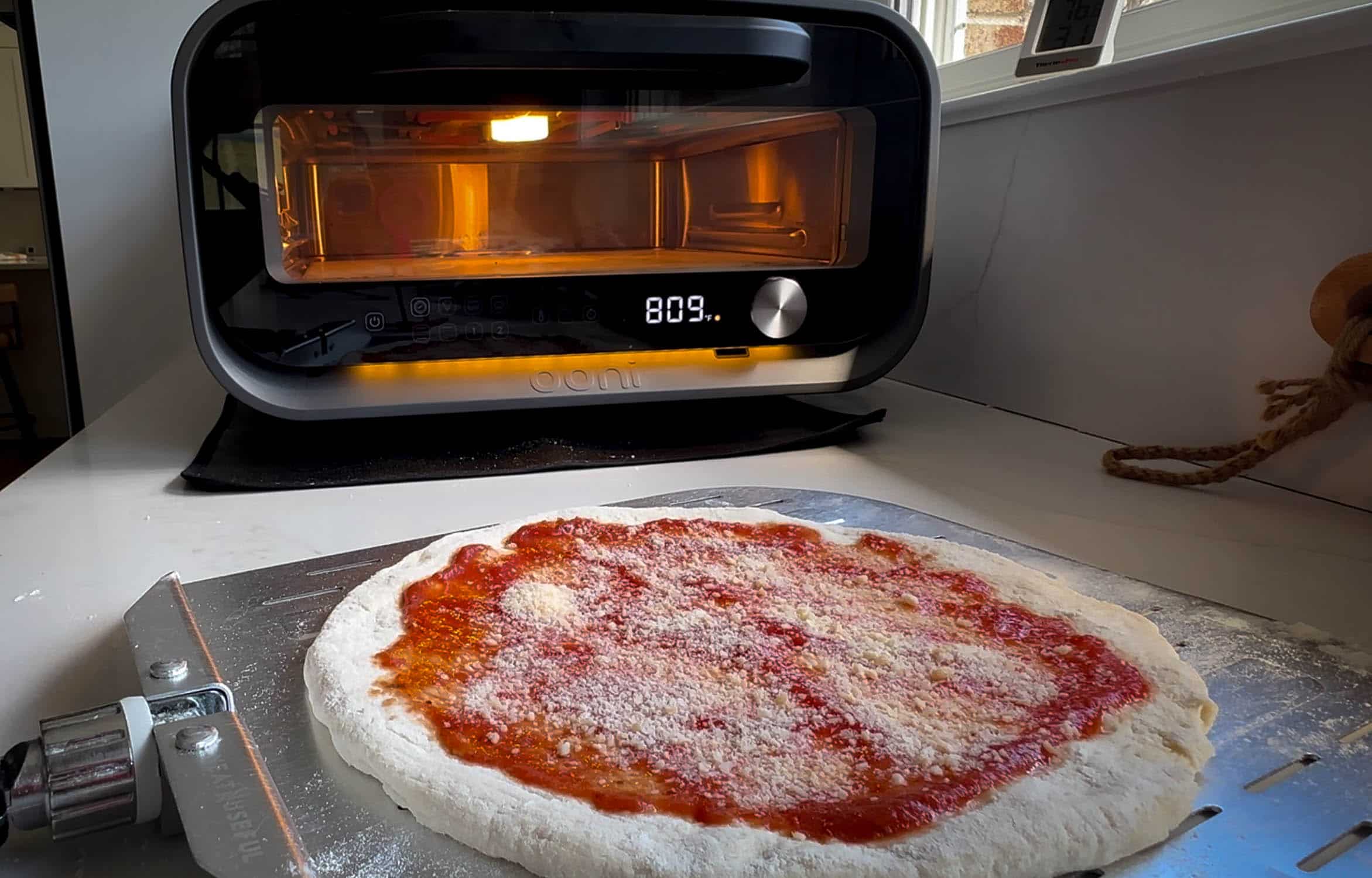
Is the Ooni Volt 2 Right for You?
If your goal is to make true high-heat pizza indoors, the Volt 2 is one of the best options available. It’s especially well suited for home pizza makers who want consistent results without dealing with gas, wood, or outdoor setup.
The biggest advantage here is convenience. You can use it year-round, right in your kitchen, without worrying about weather or fuel. It heats quickly, holds temperature well, and makes it easy to get consistent results from one bake to the next.
Compared to outdoor ovens, you’re trading a bit of size and that live-fire experience for ease of use and consistency. Outdoor ovens can reach similar temperatures and sometimes offer more space, but they require more setup and aren’t as practical for everyday use.
This oven makes the most sense if you plan to use it regularly and want a reliable way to make Neapolitan-style pizza at home. It’s also a great fit if you value a more controlled environment and don’t want to manage flames or fuel.
That said, it may not be the best choice if you want to make pizzas larger than 12 inches, don’t have dedicated counter space, or prefer a more traditional outdoor cooking experience.
What’s New in the Volt 2
The Volt 2 keeps the same 12-inch capacity and 850°F maximum temperature as the original Volt 12, but improves usability and design.
It has a smaller overall footprint, making it easier to fit on standard countertops. The larger triple-pane viewing window improves insulation and lets you monitor browning without opening the door. The Pizza Intelligence system helps stabilize heat automatically within each preset, which contributes to more consistent results.
The included rack expands what you can make beyond pizza, though the interior height is still somewhat limited for taller bakeware. There’s also improved venting with a removable filter, and a dedicated proofing mode that runs as low as 70°F.
How It Actually Performs (What I Noticed)
This electric indoor oven is very consistent once it’s fully preheated, but a few things stood out right away.
For Neapolitan pizza, the top can lag behind the bottom unless I use the Boost function right before launching. Giving it a few seconds after Boost engages makes a noticeable difference in browning and spotting.
The oven holds heat well overall, but the stone needs time to recover between pizzas. When I rushed it, the bottoms didn’t cook the same way on later bakes.
Flour also burned faster than I expected at these temperatures. Keeping the work surface clean made a big difference in avoiding bitterness.
Once I got a feel for timing and heat, the results became very repeatable—which is one of the biggest advantages of this oven.

Tips for Getting the Best Results
- Before beginning, if flour has built up on your stone, carefully flip the stone to keep the surface clean
- Practice with simple tomato and grated cheese pizzas first to get a feel for timing and heat before moving on to more heavily topped pies or more expensive ingredients
- Let the oven fully preheat so the stone is properly heated through
- Use Boost right before launching Neapolitan pizzas
- Go light on flour when shaping or be sure to shake it all off (a light dusting of semolina can help)
- Wait about 6 to 8 minutes between pizzas so the stone can recover
- Launch the pizza right after topping to avoid sticking
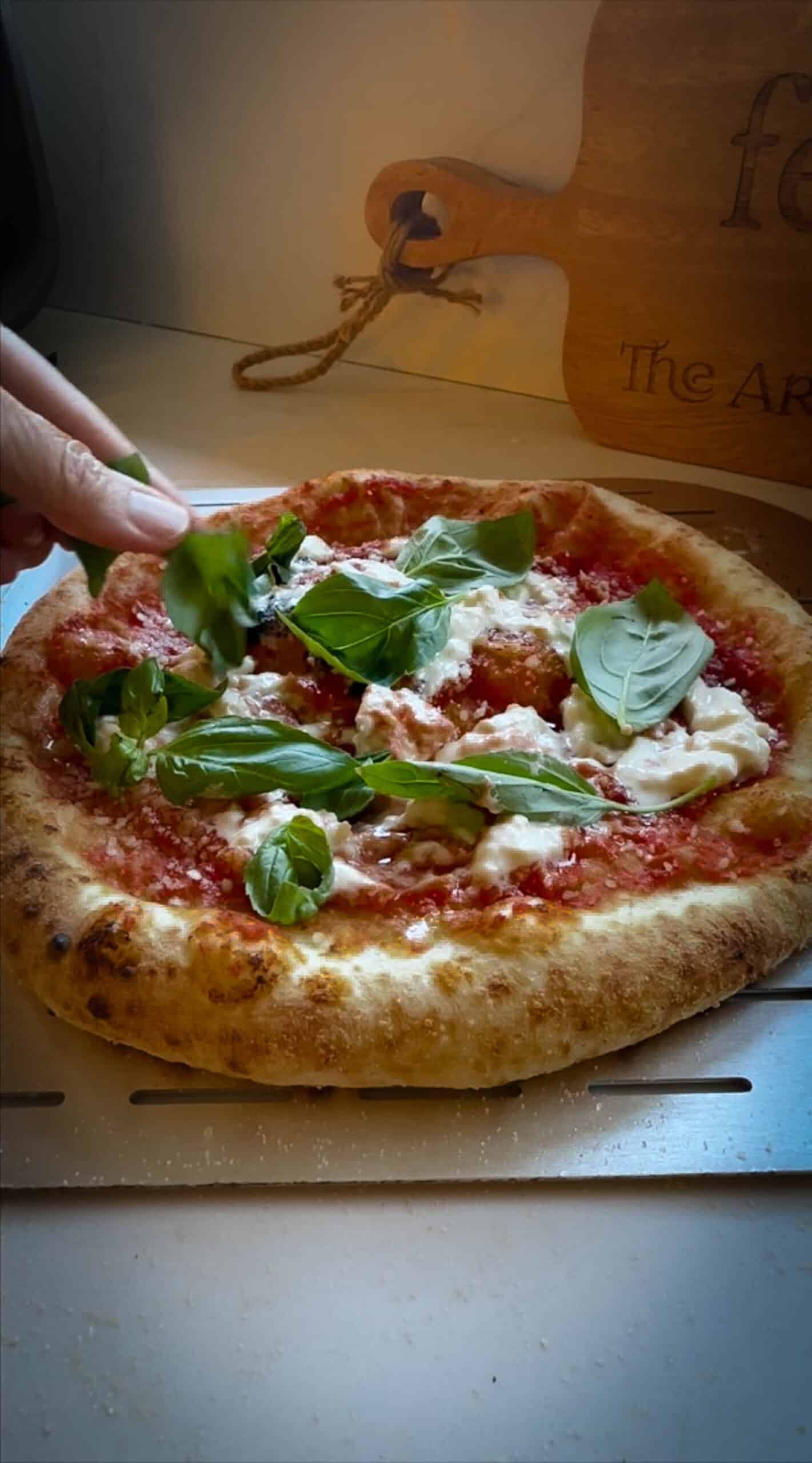
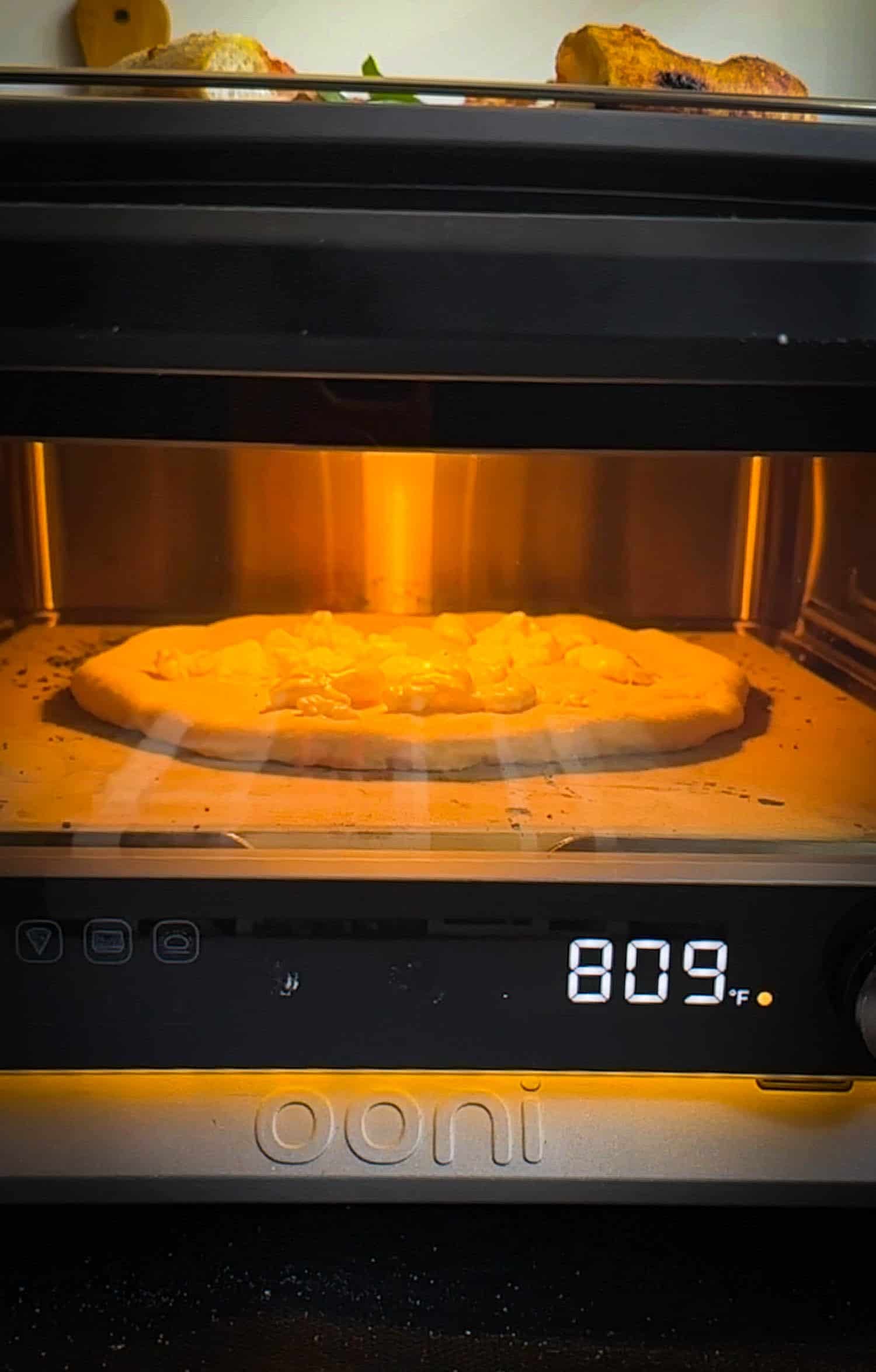
Accessories: What You Actually Need (and What You Don’t)
You don’t need much to get started, but a few tools make the experience much easier. A pizza peel is essential—you can’t safely launch or retrieve pizza without one, and so you’ll need to buy one for the oven. In my opinion, if you’re a beginner, a wooden peel is easier to work with when launching, while a metal peel is better for turning and retrieving. With practice, using a metal peel for both is common.
An infrared thermometer is helpful for checking stone temperature, especially if you’re aiming for consistent Neapolitan results. A simple brush is useful for clearing off excess flour between bakes so it doesn’t burn.
Everything else is optional. A Detroit-style pan is worth having if you plan to make pan pizzas.
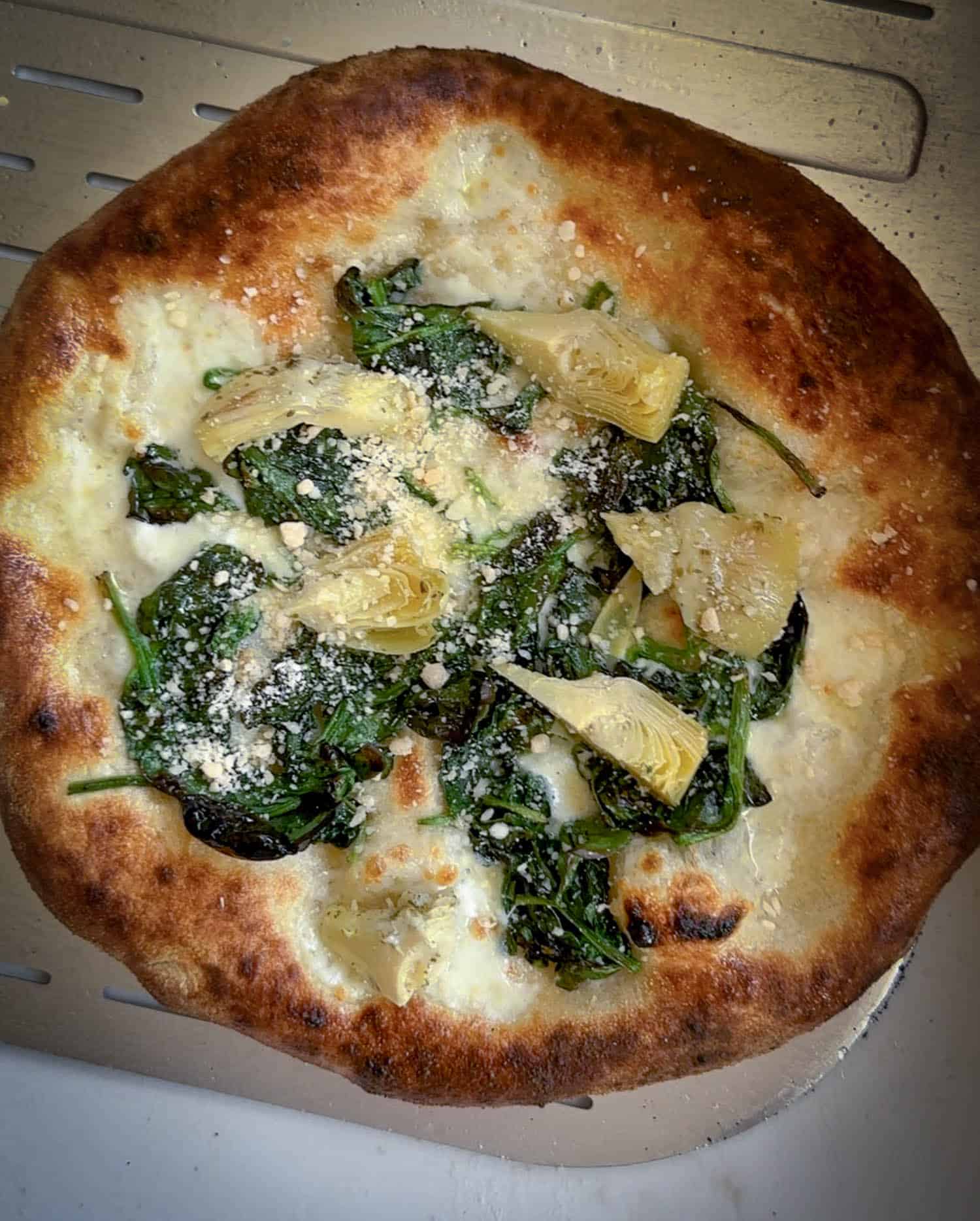
♥️ Loved this recipe? I’d be thrilled if you’d rate it ⭐️ and share your experience in the comments below! Your ratings and comments help other readers discover this recipe and keep this blog going. Did you add any special tweaks? Our community of home cooks would love to hear about it! ♥️
📖 Recipe
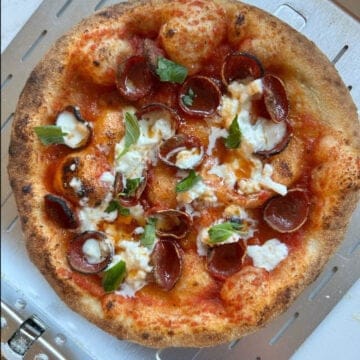
Ooni Volt 2 Neapolitan Pizza Bake Method
Click the heart icon ♡ above to save a recipe. To find your saved recipes later, click the heart icon on the right side of the screen near the search icon and select My Favorites.
Equipment
- Pizza Peel wood or metal (12 inch size)
Ingredients
- 1 Neapolitan pizza dough ball 250–270g, prepared (use my Neapolitan dough recipe here)
- Crushed tomatoes San Marzano preferred
- Fresh mozzarella high-moisture, well drained and torn
- Fresh basil
- Extra-virgin olive oil
- Semolina or flour for launching only if needed, see Notes
Instructions
- Ensure your Ooni Volt 2 is placed on a stable, heat-resistant surface. Ooni recommends confirming that your countertop can tolerate high temperatures or using a protective barrier if you’re unsure. For added peace of mind, set the oven on a large heat-resistant mat rated for at least 500°F (260°C) that supports the oven’s full footprint to help prevent potential heat damage.
- Select Neapolitan mode on the Ooni Volt 2 and allow the oven to preheat to the programmed temperature fully. Ideally, wait another 5 minutes.
- Once fully heated, long-press the Boost dial (located on the right side of the control panel). The light will start flashing green – wait until the light stops flashing. This ensures the heat is at full capacity. I also wait about 10 seconds longer. The Boost runs for 2 minutes.
- The Boost step makes a noticeable difference in top browning.
- While the oven heats, stretch the dough on the counter.
- Dress the pizza lightly with crushed tomatoes, well-drained fresh mozzarella, fresh basil, a drizzle of olive oil, and shaved cheese if desired. Keep the rim slightly thicker so it can puff properly in the high heat.
- Transfer the dough to the peel and shake the peel to ensure it moves freely before topping. If it's not moving, you may need to add semolina to the peel and try again.
- Launch the pizza onto the stone and close the door. I find wooden peels are much easier to launch pizzas, and the metal ones are easier to retrieve the pizzas.
- Check through the window at 60 seconds, then again around 90 seconds, rotating if needed for even charring. I have found that after one bake, they cook faster.
- Remove when the top of the crust shows light leopard spotting, the rim is fully puffed, and the cheese is melted but still soft.
- If you are baking more than one pizza, wait about 6 to 8 minutes between pizzas for the stone to come back to temperature.